Is AI Content Bad For SEO? What Google Actually Says (And What Nobody Tells You)
Learn if AI content hurts SEO rankings. Google's official stance, hidden watermark issues, and best practices for AI-generated content in 2026.
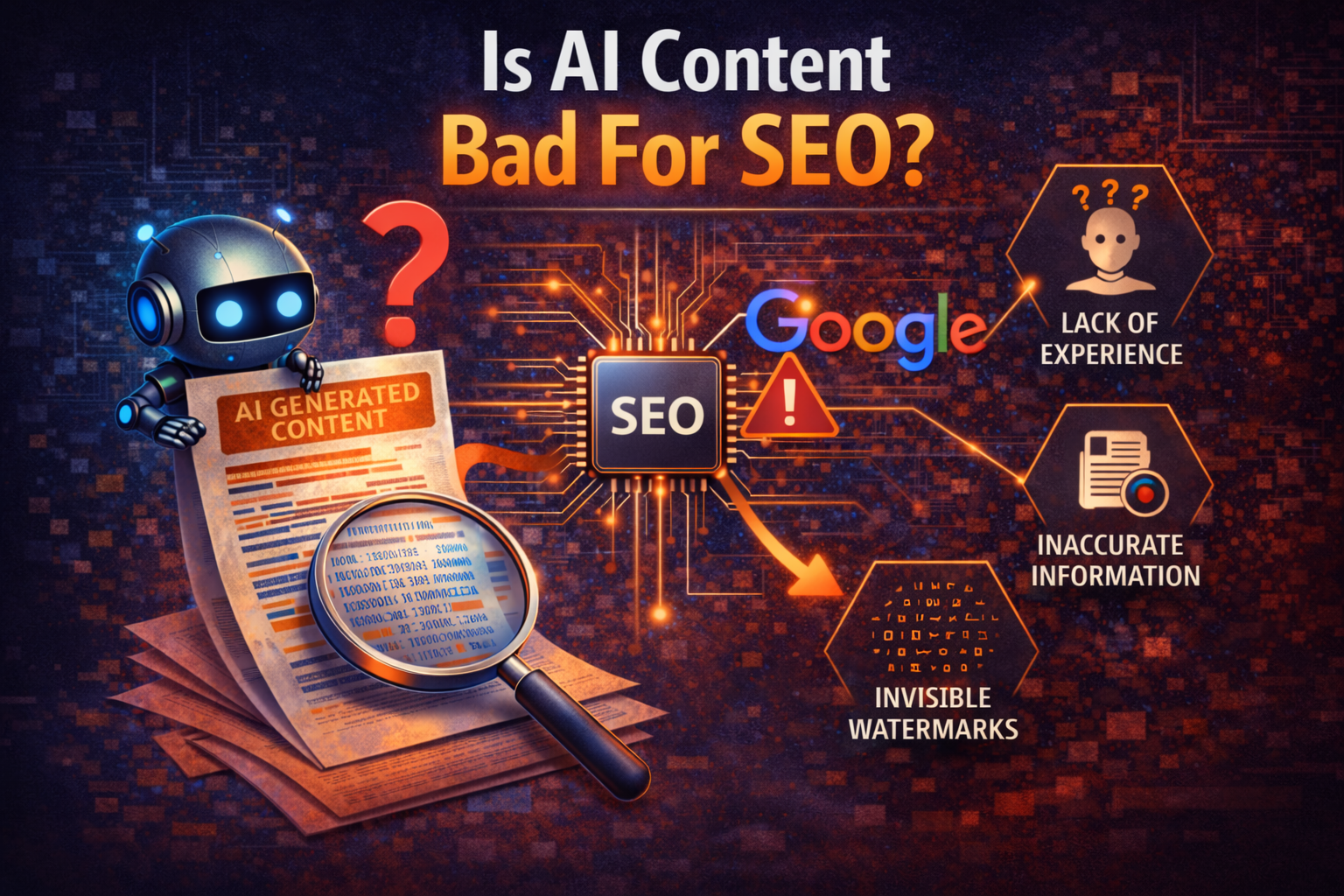
AI-generated content has sparked heated debate among SEO professionals since ChatGPT launched in late 2022. Many content marketers wonder: does AI content hurt SEO? Will Google penalize websites using AI writing tools? Is AI-generated content good for SEO, or should you avoid it entirely?
Quick Answer: AI content is NOT automatically bad for SEO. Google evaluates quality, not production method. However, invisible AI watermarks embedded in generated text can create technical SEO issues that most guides overlook. The key is using AI as an assistant while adding human expertise and cleaning technical artifacts before publishing.
The short answer is no, AI content is not inherently bad for SEO. Google does not automatically penalize content simply because it was created with artificial intelligence. However, there are critical technical factors most guides overlook entirely, including invisible watermarks that AI systems embed in generated text.
This guide covers what Google actually says about AI-generated content, the real risks you need to consider, how AI content affects your rankings, and a technical SEO issue that almost nobody is talking about. Whether you're a content marketer exploring AI tools or an SEO professional evaluating the risks, you'll find actionable insights that go beyond the standard advice.
What Does Google Say About AI-Generated Content?
In February 2023, Google released official guidance on AI-generated content that clarified their position after months of speculation. According to Google's documentation on creating helpful content, the search engine evaluates content quality rather than production method.
Google's stance is clear: AI content is not automatically considered spam. Their algorithms reward content demonstrating E-E-A-T (Experience, Expertise, Authoritativeness, and Trustworthiness) regardless of whether a human or machine produced it. This represents a significant shift from earlier statements where Google representatives suggested AI content could be treated as spam.
However, Google does penalize AI content created specifically to manipulate search rankings. Their March 2024 Core Update specifically targeted "scaled content abuse" where websites mass-produce low-value AI articles without adding genuine value for readers. The update reportedly reduced low-quality content in search results by 45%.
The distinction matters significantly for content strategy. Using AI as a writing assistant to help create useful content is acceptable. Publishing hundreds of unedited AI articles to game the algorithm violates spam policies. Google's systems have become increasingly sophisticated at identifying content created primarily to manipulate rankings rather than help users.
Does AI Content Affect SEO Rankings?
AI-generated content can affect SEO both positively and negatively, depending on how you use it.
AI content may help your rankings when you use it to streamline research, generate outlines, or create first drafts that human editors refine. Content teams using AI-assisted workflows often publish more frequently while maintaining quality standards.
AI content can hurt your rankings when it contains factual errors, lacks original insights, or reads like generic information scraped from existing articles. Search engines increasingly prioritize what SEO professionals call "information gain," meaning content that adds something new to the conversation rather than rehashing what already exists.
The hallucination problem presents a genuine risk. AI models frequently fabricate statistics, invent sources, and present false information confidently. Publishing inaccurate content damages your E-E-A-T signals and erodes reader trust.
Is AI-Generated Content Bad for SEO? The Real Risks
While Google does not penalize AI content by default, several legitimate concerns affect whether AI-generated content performs well in search results.
Lack of Original Experience
Google's E-E-A-T framework emphasizes first-hand experience. An AI cannot visit a restaurant, test a software product, or interview an industry expert. Content lacking genuine experience often fails to compete against articles written by people with direct knowledge.
Consensus Content Problem
AI models generate text based on patterns from existing content. This means AI-produced articles tend to reflect consensus opinions rather than unique perspectives. When every AI tool produces similar content on the same topic, none of it stands out to search algorithms looking for distinctive value.
Factual Accuracy Issues
Large language models confidently generate plausible-sounding information that may be entirely fabricated. Without rigorous fact-checking, AI content can include invented statistics, fictional expert quotes, or outdated information presented as current.
Detection and Trust Signals
Some platforms and institutions use AI detection tools to identify machine-generated content. While AI detectors have significant accuracy limitations, having content flagged as AI-generated can create trust issues with certain audiences, particularly in academic and professional contexts.
The Hidden Technical SEO Problem: Invisible AI Watermarks
Here is something most SEO guides never mention: AI systems often embed invisible markers within generated text. These hidden characters can create technical issues affecting your content's performance in ways you might never notice.
AI watermarks typically consist of zero-width spaces (U+200B), zero-width joiners (U+200D), soft hyphens (U+00AD), and other non-printing Unicode characters inserted throughout the text. You cannot see them when reading normally, but they exist within the document code and transfer whenever you copy and paste.
These invisible watermarks create several technical SEO concerns:
Increased HTML byte size: Hidden characters add weight to your pages without providing any visible value. While individual characters are tiny, thousands of them across your content can affect page load metrics, potentially impacting Core Web Vitals scores that Google uses as ranking signals.
Indexing inconsistencies: Search engines may process these characters differently than regular text, which could influence how your content gets tokenized and indexed. Googlebot sees exactly what exists in your HTML, including invisible characters that humans never notice.
CMS compatibility problems: Some content management systems have issues with unusual Unicode characters, causing layout problems, rendering errors, or broken text wrapping. These display issues can harm user experience signals.
Tracking and attribution concerns: Embedded watermarks can function as digital fingerprints, allowing AI providers to potentially trace content back to specific generation sessions. Privacy-conscious publishers may want control over what metadata their content contains.
When you copy AI-generated text and paste it into your CMS, these invisible markers transfer along with the visible content. They persist through normal editing and remain embedded unless specifically removed using specialized tools.
For content creators serious about technical SEO, cleaning AI text before publishing makes sense. Removing these hidden characters ensures search engine crawlers see exactly what your readers see, with no invisible artifacts affecting how your content gets processed.
Tools exist specifically for detecting and removing AI watermarks from generated text. These utilities scan content for zero-width characters and other hidden markers, then strip them while preserving your visible text and formatting. The cleaning process happens client-side, meaning your content never leaves your device.
Will Google Penalize SEO Content Generated by AI?
Google has stated repeatedly that they do not penalize content simply for being AI-generated. Their systems evaluate content quality and usefulness rather than production method.
However, Google does penalize specific practices commonly associated with AI content:
Scaled content abuse occurs when websites publish massive quantities of low-value content designed to capture search rankings rather than help users. This applies equally to human-written and AI-generated content, though AI makes mass production significantly easier.
Scraped or duplicated content provides no value to searchers and violates webmaster guidelines. AI content that simply rephrases existing articles without adding new information falls into this category.
Misleading content that contains factual errors or presents AI-generated material as expert opinion without appropriate disclosure can damage trust signals that influence rankings.
The safest approach treats AI as a writing assistant rather than a replacement for human expertise. Edit AI drafts thoroughly, add your own insights and experiences, verify all facts, and ensure the final content provides genuine value that readers cannot find elsewhere.
How AI Detection Actually Works
Understanding how AI detectors work helps clarify why watermark removal matters. AI detection systems use two primary methods:
Linguistic analysis examines statistical patterns in writing, measuring factors like perplexity (predictability of word choices) and burstiness (variation in sentence complexity). Human writing typically shows more variation, while AI text tends toward consistent, predictable patterns.
Watermark detection looks for specific markers embedded by AI systems during text generation. These include the invisible Unicode characters mentioned earlier, as well as statistical patterns in word selection deliberately introduced during generation.
The distinction matters because these methods address different aspects of AI content. Rewriting text can change linguistic patterns, but embedded watermarks persist through editing unless specifically removed.
Many content creators focus exclusively on making their writing "sound more human" without realizing invisible technical markers still exist in their text. For complete control over your published content, addressing both the stylistic and technical layers makes sense.
If you use AI tools like ChatGPT, Claude, or Gemini, understanding how each platform handles watermarking helps you make informed decisions about cleaning your content before publication.
What Are the Limitations of AI-Generated Content for SEO?
AI content tools have genuine capabilities but also significant constraints that affect SEO performance.
Knowledge Cutoff Limitations
AI models have training data cutoffs, meaning they lack information about recent events, algorithm updates, or industry developments after their training date. Content on rapidly evolving topics may contain outdated information presented as current.
Inability to Provide Primary Research
AI cannot conduct original surveys, run experiments, or gather firsthand data. Content strategies relying on primary research for differentiation cannot replicate this through AI generation.
Missing Personal Experience
Reviews, case studies, and experience-based content require actual human involvement with products, services, or situations. AI can only synthesize secondhand information from existing sources.
Tone and Brand Voice Challenges
While AI can mimic various writing styles, maintaining consistent brand voice across extensive content requires careful prompting and human editing. Generic AI output rarely captures the personality that distinguishes memorable content.
Complex Reasoning Limitations
AI performs well on straightforward informational queries but struggles with nuanced analysis, counterintuitive arguments, or novel conceptual frameworks that distinguish thought leadership content.
How Can AI Help With Content Creation for SEO?
Despite limitations, AI tools provide genuine value for SEO content workflows when used appropriately.
Research and ideation benefit from AI's ability to quickly summarize information, suggest related topics, and identify questions your content should address. This accelerates the planning phase without replacing strategic thinking.
Outline generation helps structure content logically. AI can suggest heading hierarchies, identify subtopics to cover, and recommend content organization that matches search intent.
First draft creation saves time on initial writing, giving human editors a foundation to refine rather than a blank page. The quality improvement from AI draft to final human-edited version can be substantial.
Optimization suggestions from AI tools can identify keyword opportunities, recommend internal linking targets, and suggest improvements to existing content for better search performance.
Repurposing content across formats becomes easier when AI can transform long-form articles into social posts, email summaries, or video scripts while maintaining core messaging.
The pattern that produces best results treats AI as a capable assistant working under human direction rather than an autonomous content creator. Human judgment determines strategy, ensures accuracy, adds original insights, and maintains quality standards.
Best Practices for Using AI Content Without Hurting SEO
Following established guidelines helps you benefit from AI efficiency without risking search penalties or quality problems.
Always edit AI output thoroughly. Never publish raw AI-generated content. Read critically, verify facts, improve phrasing, and add your own expertise and perspective.
Add genuine information gain. Include original research, personal experience, expert interviews, or unique analysis that AI cannot replicate. This differentiates your content from generic AI-produced material.
Maintain E-E-A-T standards. Ensure content demonstrates real expertise, provides accurate information, and comes from credible sources. These signals matter regardless of how initial drafts were created.
Check for technical issues. Before publishing, verify your content contains no hidden characters or formatting artifacts that could affect how search engines process your pages. Clean text means cleaner indexing.
Monitor performance metrics. Track how AI-assisted content performs compared to fully human-written pieces. Engagement metrics, time on page, and conversion rates reveal whether your approach is working.
Stay current with guidelines. Google's position on AI content continues evolving. What is acceptable today may change as detection capabilities improve and content standards shift.
Making AI Content Work for Your SEO Strategy
AI-generated content is not inherently bad for SEO, but using it effectively requires understanding both its capabilities and limitations. Google rewards quality and usefulness regardless of production method, yet punishes scaled abuse and low-value content that fails to serve readers.
The technical dimension most guides ignore, specifically invisible watermarks and hidden characters, represents a serious consideration for content teams prioritizing clean technical SEO. Ensuring your published content contains no unexpected artifacts gives search engines exactly what they need to index and rank your pages properly.
Success with AI content comes from treating these tools as productivity multipliers rather than quality replacements. Human expertise, original insights, and editorial judgment remain essential for content that performs well in search results and genuinely helps your audience.
For content creators using AI writing tools regularly, establishing a workflow that includes both editorial refinement and technical cleaning ensures every piece you publish meets the highest standards. This means reviewing AI output for accuracy, adding your unique perspective and experience, verifying all facts and statistics, and removing any invisible markers before hitting publish.
The question "is AI content bad for SEO?" oversimplifies a nuanced situation. AI-assisted content created with proper human oversight and editorial care performs well. Low-effort AI content published at scale without adding value gets penalized. The choice of how to use these tools determines the outcome.
As AI writing capabilities continue advancing and detection methods evolve alongside them, staying informed about best practices becomes increasingly important. What matters most is creating content that genuinely serves your audience while maintaining the technical cleanliness that allows search engines to properly evaluate and rank your work.
Check Your Content for Hidden Watermarks
Before publishing AI-assisted content, ensure it's technically clean:
Scan & Remove AI Watermarks Free
Why this matters for SEO:
- Cleaner HTML for better indexing
- Improved Core Web Vitals scores
- No hidden tracking characters
- 100% browser-based (private)
Frequently Asked Questions
Does Google penalize AI-generated content?
No, Google does not automatically penalize AI content. Their March 2024 Core Update targets "scaled content abuse" where sites mass-produce low-quality articles. AI content created with human oversight and genuine value is treated the same as human-written content. Focus on E-E-A-T signals rather than production method.
Is AI content good for SEO?
AI content can be good for SEO when used properly. Use AI for research, outlines, and first drafts, then add human expertise, verify facts, and include original insights. Pure AI output without editing tends to lack the information gain that search engines reward.
Can Google detect AI-written content?
Google has not confirmed using AI detection in rankings. However, they can identify patterns common in low-quality scaled content. More importantly, AI systems embed invisible watermarks that persist through editing and can be detected by specialized tools.
How do AI watermarks affect SEO?
AI watermarks add invisible Unicode characters that increase page byte size, may affect indexing, and can cause CMS compatibility issues. While individually small, thousands of these characters across your content can impact Core Web Vitals and how search engines process your pages.
Should I use AI for content creation?
Yes, when used as an assistant rather than replacement. Edit AI output thoroughly, add personal experience and expertise, verify all facts, and remove hidden watermarks before publishing. This approach maximizes efficiency while maintaining quality standards.
How do I remove AI watermarks from content?
Use a watermark detection and removal tool to scan your text for invisible characters. These tools identify zero-width spaces, joiners, and other hidden markers, then remove them while preserving your visible content and formatting.
Related Articles:
- How AI Detectors Work
- Why Your Text Is Flagged as AI
- Invisible ChatGPT Watermarks Explained
- How to Remove ChatGPT Watermarks
- AI Text Watermarks Explained
Questions? Check our FAQ or test for watermarks now.
Ready to Remove AI Watermarks?
Try our free AI watermark removal tool. Detect and clean invisible characters from your text and documents in seconds.
Try GPT Watermark RemoverRecommended Articles
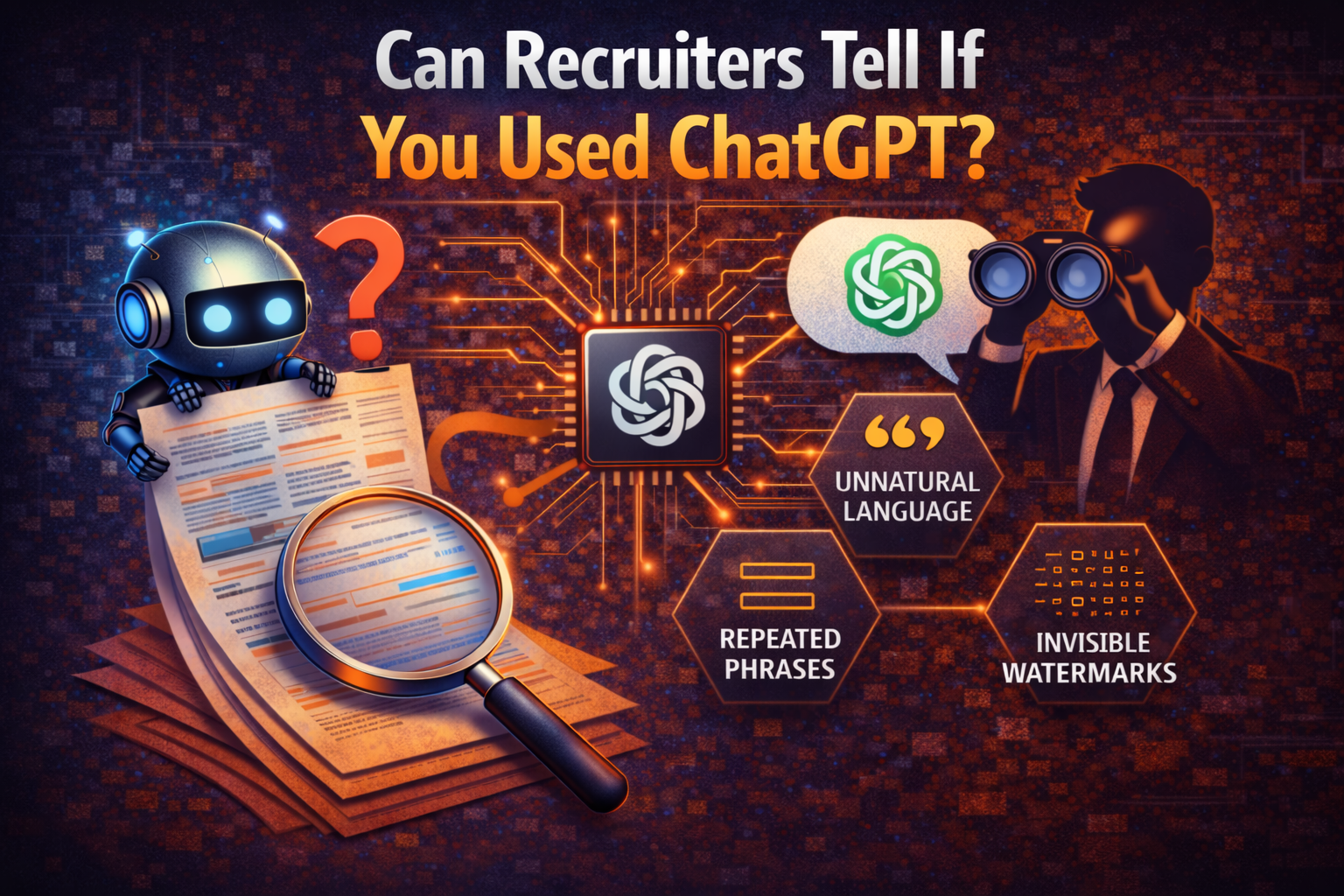
Can Recruiters Tell If You Used ChatGPT? What Job Seekers Need to Know in 2026
Learn how recruiters detect ChatGPT-written resumes and cover letters. Understand detection methods, hidden invisible characters, and how to use AI tools responsibly in job applications.

How to Check If a Text Has a ChatGPT Watermark (Complete Guide 2025)
Learn 7 proven methods to check if text has ChatGPT watermarks. From instant online tools to advanced detection techniques—identify invisible AI markers in any content.
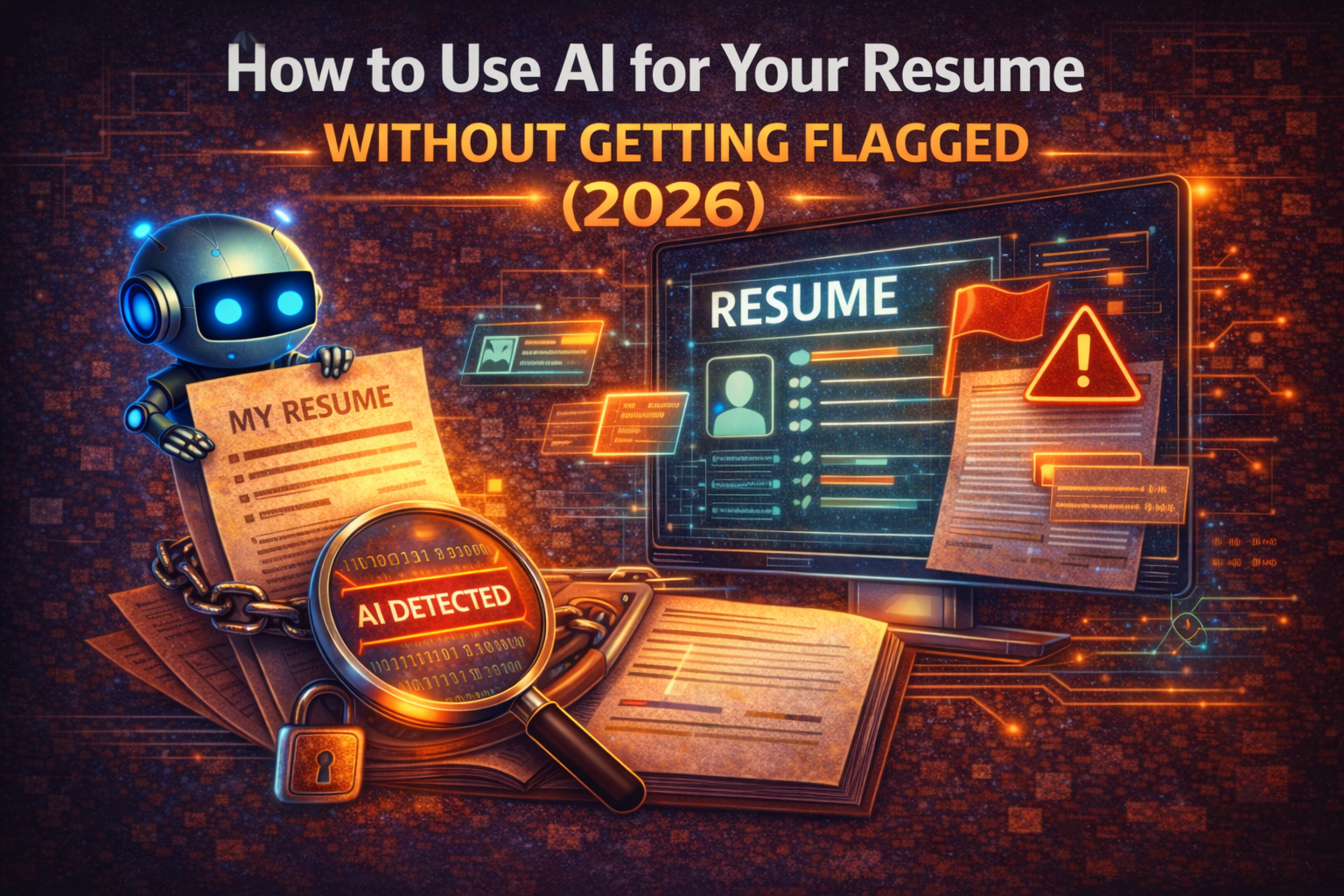
How to Use AI for Your Resume the Right Way (2026)
Learn the smart workflow for using AI to write resumes in 2026. Clean up invisible characters, optimize for ATS systems, and make your application authentically yours.